Getty's Egyptian Book of the Dead Exhibition Returns
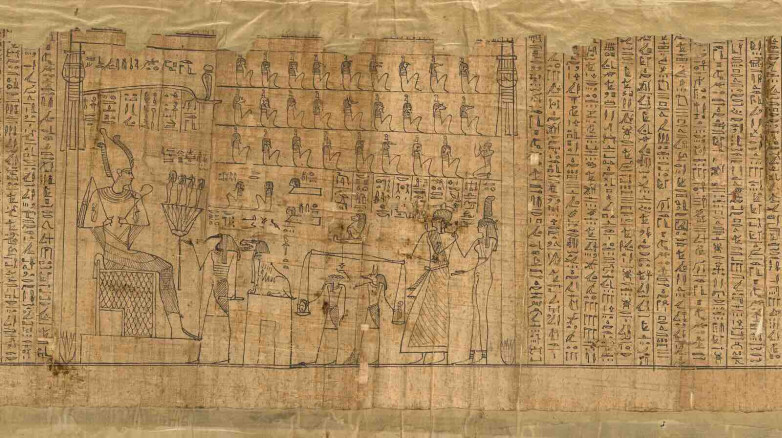
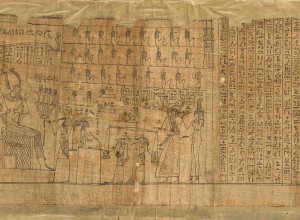
Papyrus of Pasherashakhet (detail), Egyptian, about 375–275 BCE, ink on papyrus



The J. Paul Getty Museum’s The Egyptian Book of the Dead exhibition will return next month to showcase the Getty collection of ancient Egyptian manuscripts inscribed with spells and illustrated scenes from the Book of the Dead which were intended to guide souls through the afterlife.
The exhibition, previously on view in 2023, will open on March 4 and continue through November 30 at the Getty Villa Museum. The objects displayed, which originally belonged to the burials of eight individuals, are drawn from the Getty Museum’s antiquities collection.
“The manuscripts on display are extremely rare and fragile and can only be shown under controlled lighting and environmental conditions,” said Timothy Potts, Maria Hummer-Tuttle and Robert Tuttle Director of the J. Paul Getty Museum. “For this reason, this redisplay of one of our most popular exhibitions is not to be missed.”
As part of their preparations for the afterlife, ancient Egyptians created an intricate set of religious writings and related illustrations that they recorded on papyrus scrolls, linen mummy wrappings and other funerary objects. Known today collectively as the Book of the Dead, these texts were meant to assist the soul’s transition to a blessed eternal life beyond death.
Produced from about 1550 BCE to 50 BCE, the Book of the Dead was not a single, stable composition but an evolving collection of ritual 'spells', recitations, and instructions that were variously selected and combined into individual manuscripts. The nearly 200 surviving spells each address a different concern or anticipated experience. Forming one of history’s most substantial bodies of religious literature, they illuminate how ancient Egyptians understood the cosmos, the world of the gods, and the nature of existence.
“The texts show us how the Egyptians were trying to understand what makes a meaningful existence in a confusing and challenging world," said Sara E. Cole, associate curator of antiquities at the Getty Villa Museum, "how they believed the universe is structured, and what our relationship to a higher power or powers is. Ultimately, the texts foreground a very common human anxiety, what happens when we die?”
Around 1550 BCE, wealthy patrons began commissioning Book of the Dead papyrus scrolls from scribal workshops throughout Egypt. Although deposited in tombs and intimately associated with the deceased, these manuscripts reflected the beliefs and cares of the living and were embedded in active religious practice. This exhibition will highlight four papyri, belonging to women named Webennesre, Ankhesenaset, and Aset, and a man named Pasherashakhet. The papyri span a period from about 1450 BCE to about 100 BCE.
In later phases of the Book of the Dead (about 400–100 BCE), scribes wrote spells on thin linen strips that were then wrapped around mummified bodies as part of the ritual embalming process. Serving as an alternative or a complement to papyrus scrolls, this practice brought the sacred texts in direct contact with the deceased, enveloping and protecting them. Three linen strips showcased in this exhibition were once part of longer textiles that were applied to the bodies of two men, both named Petosiris.